
An understanding of toxic alcohol ingestion can assist emergency clinicians in diagnosing and managing this potentially deadly disease. While an ethanol level does not need to be drawn in every patient who presents to the ED inebriated, the serum ethanol may be a clue to a toxic alcohol ingestion. The patient with a decreased LOA with a negligible ethanol concentration must be investigated for other pathology.
Chronic effects
Knowing about BAC can also help you avoid risky situations that might cause permanent harm or even death. After a healthcare provider has collected your blood sample, they’ll send it to a laboratory for testing. Once the test results are back, the person or provider who ordered the test will share the results with you. Blood alcohol content (BAC), also known as a blood alcohol level, is the amount of alcohol in your blood. Using alcohol with opioid pain relievers, such as oxycodone and morphine, or illicit opioids, such as heroin, is also a very dangerous combination.
The Testing Procedure
Most importantly, no two people will metabolize alcohol in exactly the same way. This means that while the chart can give you an idea of your current BAC, you shouldn’t assume your chart reading is 100% accurate. Blood tests are a very common and essential part of medical testing and screening. You may have stages of intoxication slight tenderness or a bruise at the site of the blood draw, but this usually resolves quickly. BAC can continue to rise even when a person stops drinking or is unconscious. Alcohol in the stomach and intestine continues to enter the bloodstream and circulate throughout the body.

Your BAC level is important because in every state across the U.S. there is a legal limit. If your blood alcohol content rises above it, this is considered to be DUI per se. This is a legal term that means you are presumed to be too intoxicated to drive. Safety is the number one priority when it comes to drinking alcohol, and driving is just one well-known area of risk.
Symptoms
- On the other hand, low to moderate levels of alcohol consumption (≤ 1 to 2 drinks/day) may decrease the risk of death due to cardiovascular disorders (1).
- The mission of the campaign is to help Service members learn to drink responsibly, if they choose to drink alcohol.
- One potential danger of alcohol overdose is choking on one’s own vomit.
- The clinical diagnosis of ethanol intoxication is often based on history, smell of alcohol or acetaldehyde, and presence of ataxia, nystagmus, and altered mental status.
People https://www.lombokgrafica.asia/living-with-an-alcoholic-tips-for-life-with/ who develop tolerance may reach an incredibly high blood alcohol content (BAC). However, ethanol tolerance is incomplete, and considerable intoxication and impairment occur with a large enough amount. But even people who have developed tolerance may die of respiratory depression secondary to alcohol overdose. Poisonings with methanol, ethylene glycol, and isopropanol—commonly referred to as the toxic alcohols—often present the emergency physician with a major diagnostic challenge. The identity of the ingested substance is frequently a mystery on presentation. Patients with an intentional ingestion, either for recreation or with suicidal intent, may be less than forthcoming.

Ethanol moves quickly through your digestive tract—mostly your stomach—and is absorbed into your bloodstream. Your blood alcohol level continues to rise for 30 to 90 minutes after you have your last alcoholic beverage. For children, blood glucose should be checked because ethanol alcoholism treatment can cause hypoglycemia. This is due to the smaller glycogen stores in children’s livers, as well as inhibition of gluconeogenesis by ethanol.
The truth is that tolerance does not affect BAC, but instead makes your body and mind more resistant to the effects of alcohol, even at high BAC levels. If you’ve developed a high tolerance and want to better gauge whether your drinking is normal, you can take a brief 11-question quiz or sign up for a Ria Health consultation to learn more. When you think of BAC, breathalyzers, drunk driving, or legal trouble might be the first things that come to mind. However, it can also be used in other situations where safety or health are important.
Care at Cleveland Clinic
As the current science has only been conducted on cisgender males and females, transgender or intersex individuals may be safer following the most conservative recommendations for their weight range.
What are the risks of a blood alcohol content (BAC) test?
As the alcohol is metabolized to an acid, hypotension develops, tachycardia, tachypnea, fixed dilated pupils for methanol, depressed level of awareness and potentially seizures. The symptoms usually develop over 6-24hrs but can be delayed up to 4 days if ethanol is coingested. The anion gap is neither sensitive nor specific for diagnosing toxic alcohol poisoning. Soon after ingestion, the patient may manifest symptoms of toxic alcohol ingestion without an anion gap metabolic acidosis. The metabolic acidosis increases as the toxic alcohols are metabolized to organic acids (formate, oxalate). This creates an inverse relationship between the serum anion gap and osmol gap making the values time-dependent from ingestion, which is often unknown (Figure 4).
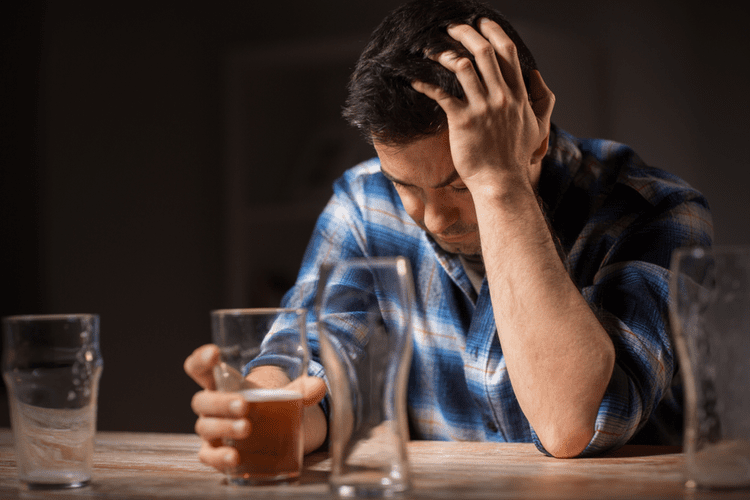
If men drink five or more alcoholic drinks in two hours, alcohol poisoning can occur, which is four or more in the case of women. Ethyl alcohol is the most common form of alcohol in several alcoholic beverages, extracts used for cooking, medications, mouthwashes, and household products. Less common forms of alcohol are isopropyl alcohol, methanol, and ethylene glycol. Cleaning products, rubbing alcohol, and lotions contain isopropyl alcohol, and ethylene glycol is found in solvents, antifreeze, and paints. Blood alcohol content (BAC) is the percentage of alcohol in a person’s bloodstream after drinking alcohol.
Calculating BAC
Excessive drinking has numerous impacts on your body and mind, ranging from mild to severe. Learn which signs to look out for, and how to care for your well-being. Emesis is common with moderate to severe intoxication; because emesis usually occurs with obtundation, aspiration is a significant risk. The physical dependence accompanying tolerance is profound, and alcohol withdrawal has potentially fatal adverse effects. Rapid drinking can bring BAC so high that mental and physical functions are negatively affected. If BAC is high enough, it can impair physical functions such as breathing and the gag reflex (that prevents people from choking.
Blood Alcohol Content (BAC)
As a general rule, one standard drink will increase your BAC by 0.02 percent. So, while it might only take four drinks for you to be legally intoxicated, it’d take quite a bit more to kill you. That said, it’s worth knowing your body’s limits and what to look for if alcohol poisoning is a worry. One serving of alcohol (one 12-oz can of beer, one 6-oz glass of wine, or 1.5 oz of distilled liquor) contains 10 to 15 g of ethanol.